Commercial Services.
The leading HVAC and air duct cleaning service provider since 1994 — trusted experts in residential and commercial clean air solutions, with 30+ years of service, 17,500+ projects, and a legacy of innovation.
HVAC & Air Duct Cleaning.
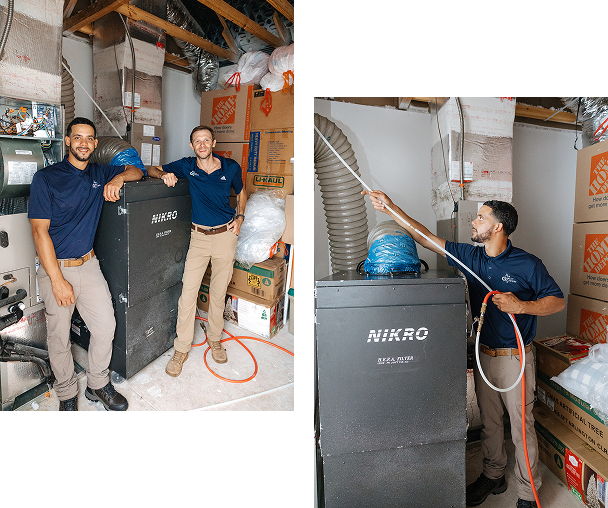
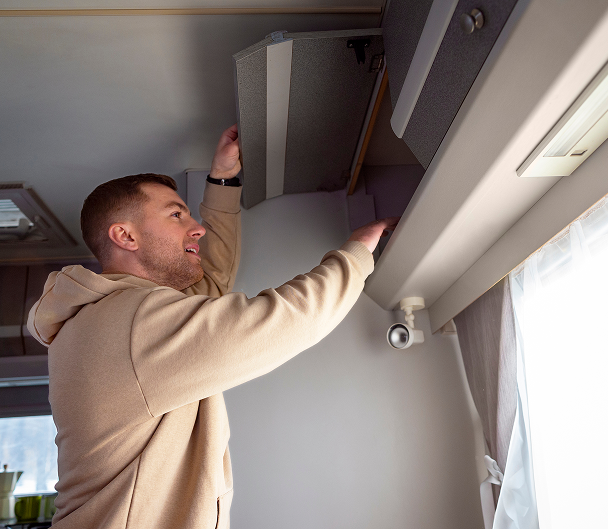
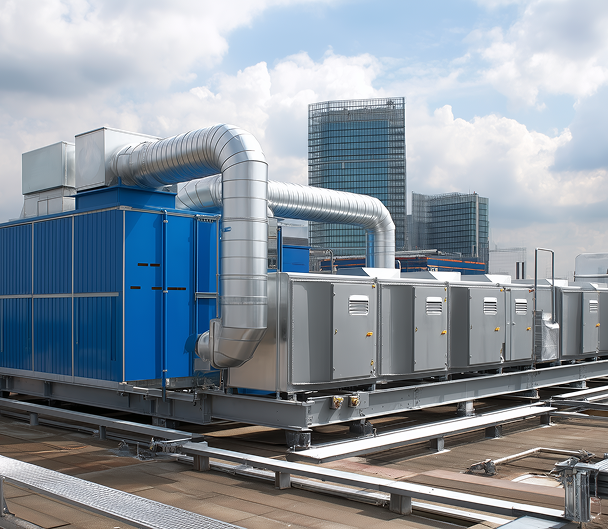
The commercial division of Air Quality Systems provides industry-leading expertise focused on duct cleaning, steam cleaning of AHUs and coils, AHU and drain pan restoration, detailed HVAC system inspections, and IAQ testing.
AHU & Coil Steam Cleaning.
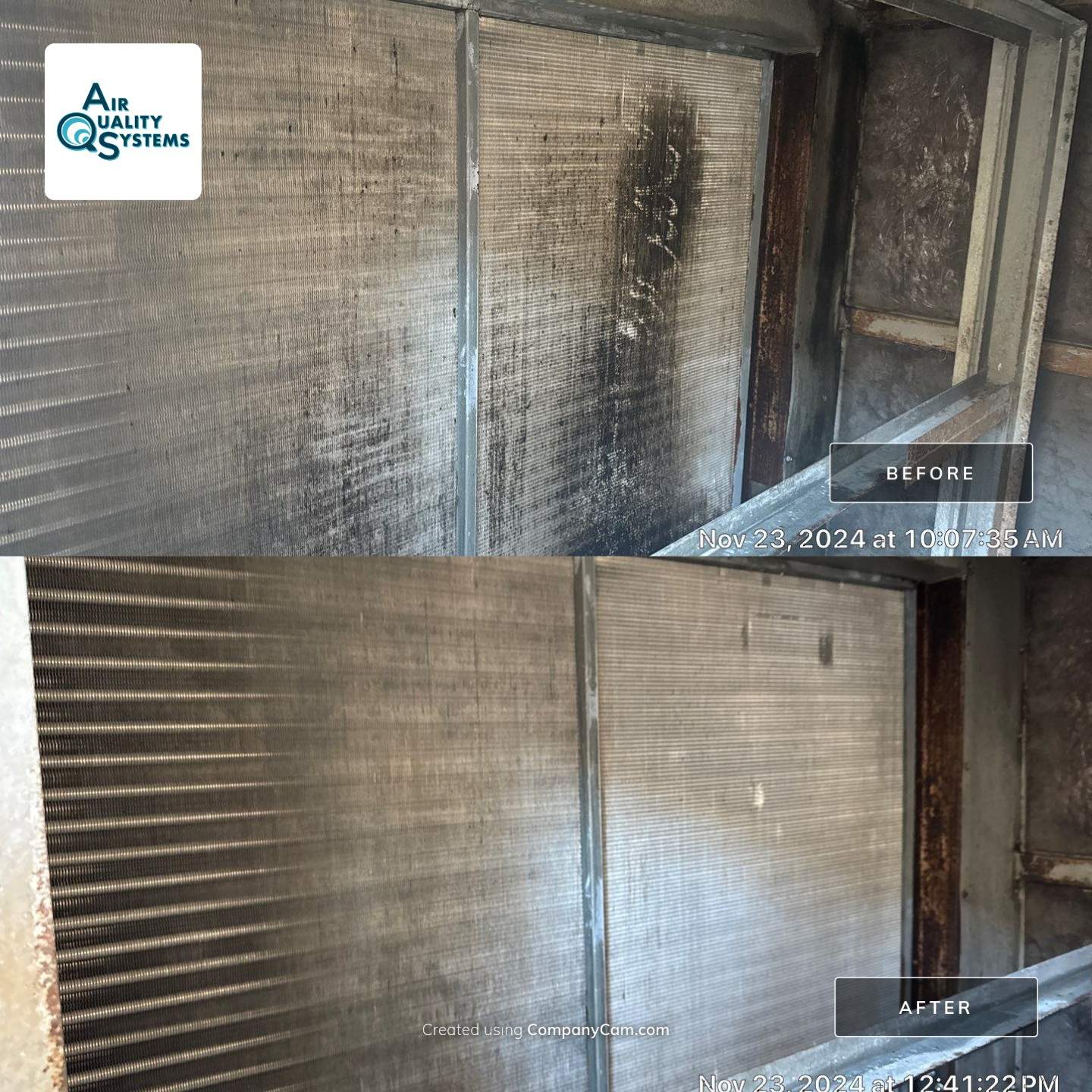
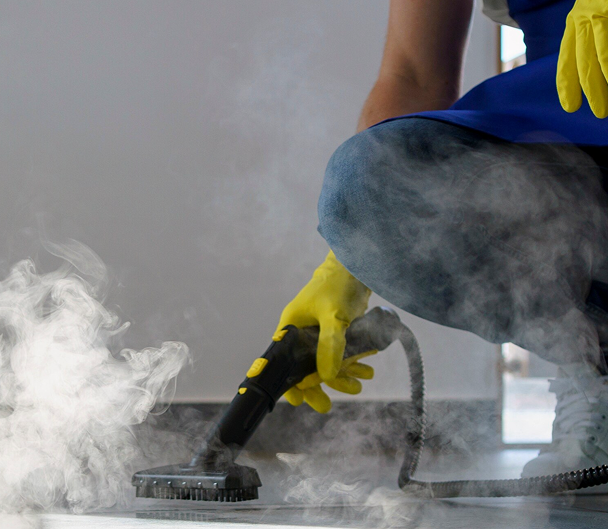
Steam cleaning is an effective way to remove heavy buildup from HVAC coils that impacts airflow and efficiency. Clean coils transfer heat more effectively, helping systems run cleaner, more efficiently, and perform the way they were designed to.
AHU & Drain Pan Restoration.
Our AHU and drain pan restoration services address corrosion, microbial growth, and water damage that can compromise an AHU’s performance. Proper restoration helps prevent moisture-related issues, supports condensate management, and reduces the risk of indoor air quality concerns.
HVAC Hygiene Inspections.
Comprehensive HVAC hygiene inspections evaluate system cleanliness and component condition. The detailed reports generated after our inspections provide facility managers with clear documentation, actionable findings, and support for maintenance planning and compliance requirements.
Specialty Services.
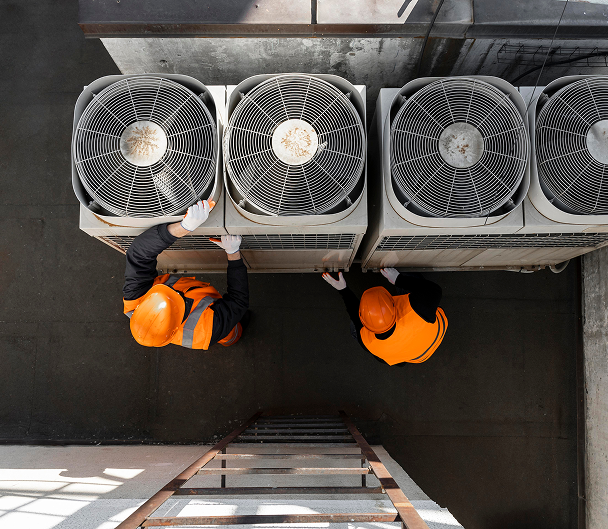
At Air Quality Systems, we take pride in tackling the most challenging and unique projects. With our specialized equipment and expert team, there’s virtually no air system we can’t handle.
Frequently Asked Questions.
What types of contaminants are typically found in air ducts? Why should I care about cleaning my air ducts?
The most common contaminant found in HVAC systems is dust—made up of fibers from clothing and soft surfaces, dead skin, hair, dead insect particles, soil, pollen, bacteria, and dust mites. YUCK!! We routinely dust and clean the visible surfaces in our environment to remove the dust—but what about all the surfaces we can’t see? The average home has anywhere from 150 to 500 linear feet of ductwork, all hidden from view! Take a look at some of the benefits of HVAC system and duct cleaning and tips on how to know when it’s time!
One company told me they would sanitize the inside of my ductwork. Do you do that?
While this may sound appealing, be cautious of companies making sweeping claims about “sanitizing” or “disinfecting” all ductwork as part of their service. Any chemicals used inside HVAC systems should be EPA registered for the specific purpose and application for which they are being used. To date, the EPA has not registered any products for sanitizing or disinfecting ductwork, nor have any fungicides been registered for use inside ductwork. This means that any company using these types of chemicals inside ductwork is doing so in a manner that’s inconsistent with the product’s labeling and intended use. Not only is this a violation of federal law, but it can also be harmful to your HVAC system and the occupants of the building. See more in NADCA’s White Paper on Chemical Applications. These types of claims are often an indicator that you are dealing with a company that does not adhere to best practices and industry standards. Proceed with caution!
What is NADCA, and why should I choose a NADCA member to perform my HVAC system and air duct cleaning?
NADCA stands for the National Air Duct Cleaners Association, the global trade association for HVAC inspection, cleaning, and restoration. NADCA members must meet and maintain strict guidelines for certification, training, cleaning standards, and adhering to the Code of Ethics. Vetting an air duct cleaning company through NADCA helps you ensure that you’re dealing with a reputable company—not just a “blow-and-go”.
I have noticed that some companies use truck-mounted vacuum systems and others use portable vacuum systems. Which one is better? Which one do you use?
Both types of units are extremely common among reputable companies, and NADCA does not recommend one type of system over the other. At Air Quality Systems, all our vacuum systems are portable—either gas-powered units designed to be staged outdoors, or electric units that can safely and effectively be operated indoors. We have found that this combination of units allows us the maximum amount of versatility to tackle any type of job.
What are some of the benefits of having my HVAC system and air ducts cleaned?
Regular cleaning of your HVAC system and air ducts can produce benefits for your health as well as your wallet! Contaminants such as mold, fungi, bacteria, and fine dust particles all accumulate in HVAC systems over time. Removing the source of contamination (known as “source removal” – the most effective method for air duct cleaning) is the first step to improving indoor air quality and mitigating related impacts to your overall health. Additionally, removing this buildup of contaminants from delicate components may also improve the system’s efficiency. Clean, efficient systems are less likely to consume excess energy, show premature wear, require repairs, or break down, generally lasting longer and performing more effectively than dirty systems.
Can I have just one area of my home or business cleaned, or do I have to clean everything?
In some cases, it is possible to get the desired results by cleaning just one area of a large space or to clean the space in phases. For example, if there was damage to the system in just one area, or if there is one area or system that gets dirty much faster than the others, (i.e. the system serving the kennel area of a veterinarian’s office) the whole space may not need cleaning at the same time. Depending on the cause for concern, previous cleanings, and the layout of the systems serving the space, it may be possible to accomplish your goals by cleaning the HVAC systems and air ducts serving only a fraction of the space. Give us a call to see how we can help!
As a facilities manager or business owner, I want to be proactive about maintaining our commercial HVAC systems. What should be included in an effective maintenance program?
One of the most overlooked components of a thorough maintenance program is routine deep cleaning of coils. We get numerous calls from facilities hoping to restore the performance of coils that have become severely impacted with years of buildup. Many times, with repeated deep cleanings, we’re able to save these coils, but maintenance is the key to prevention—which is always better than the cure. If you’re looking for ways to minimize repairs, downtime, energy consumption, and premature wear on large systems, ask us about preventative coil cleaning as part of your maintenance program!
I have a commercial AHU or RTU that is performing poorly, but replacement is extremely expensive. Is it beyond saving?
Replacement of commercial HVAC units is an expensive endeavor, indeed. While every unit will eventually reach the end of its useful life, measures can be taken to extend the lifespan. Many times, replacing or applying a coating to the insulation inside the unit and associated ductwork, deep cleaning the coil, and / or refurbishing the drain pan along with routine cleaning can bring a unit back to life, pushing the timeline on replacement further out. If you have a unit being considered for replacement, call us first!
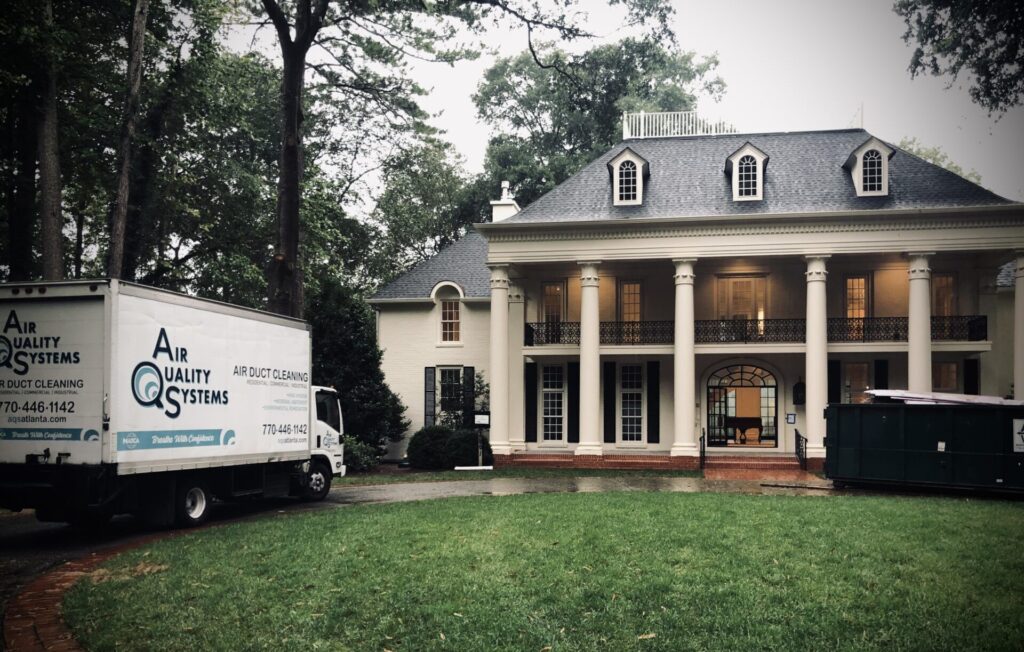
Atlanta’s Best Air Duct Cleaners.
Trusted by homes and businesses since 1994.
Certified. Thorough. Proven clean.